Hauser & Wirth's three galleries at 901 East 3rd Street had been dark since summer for a full reinstallation, and they reopened Wednesday, September 30, with an opening talk at 6pm followed by a reception from 7 to 9pm. Two shows went up that night: Glenn Ligon's "Sit So Your Back Isn't Against The Door" and Jack Whitten's "The Numinous." The reopening also came more than a decade after the gallery arrived in the neighborhood. It opened in March 2016 inside a converted flour mill, and the same building has been standing there, gathering nearly two million visitors, ever since. That works out to roughly 200,000 visits a year, decade after decade, while the block around it has turned over its restaurants at least twice in that same span.
That gap between one fixed address and a neighborhood in constant motion is the actual story of the Arts District this fall. Two new kitchens have opened within a few blocks of the gallery in the last several months. A monthly art night just split into two competing versions of itself. And the anchor everyone assumed would stay quiet has just reopened with its biggest calendar moment in years. None of this happened by coordination. It happened because one type of business in this neighborhood moves on a decade clock and another moves on a season clock, and this particular September was when both clocks happened to chime at once.
What Reopened on the 30th
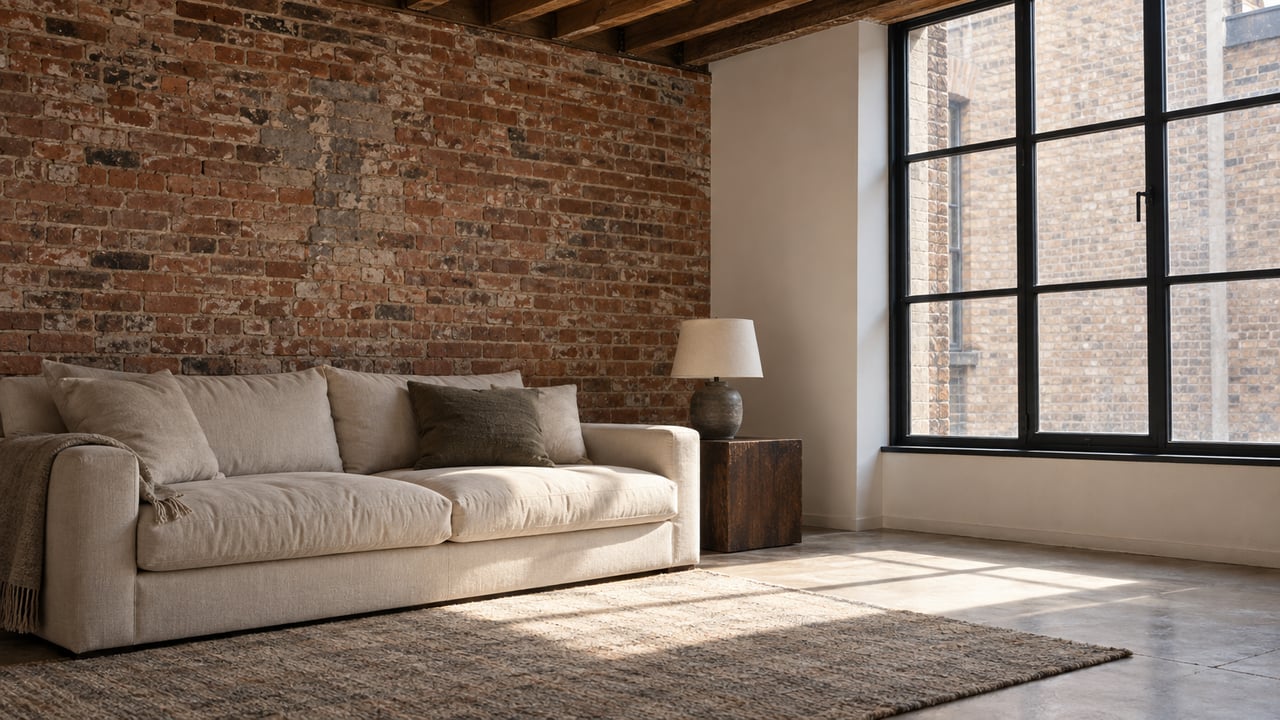
Hauser & Wirth's Downtown campus is not a single white room. It's a former flour mill with three exhibition spaces, a bookstore that houses the first ARTBOOK outpost in Los Angeles, and a garden certified as a Wildlife Habitat by the National Wildlife Federation, complete with a working chicken coop and vegetable beds that supply the onsite restaurant, Manuela. The courtyard won the Landscape Architecture category at the 49th LA Architectural Awards in 2019. Entry to all of it, galleries included, is free, with no advance booking required, which is unusual for a program that regularly brings in artists at the level of Ligon and Whitten.
The reinstallation closure meant the campus had effectively been quiet for weeks, which is not the neighborhood's default state. Since opening, the gallery has folded itself into the fabric of the Arts District rather than sitting apart from it: the murals that predate the gallery were kept in their original spots on-site instead of painted over, and the events program has grown to include dance, film screenings, and artist-led conversations alongside the exhibitions. More than a decade in, that history is what the September 30 reopening actually marked, not just two new shows but a full decade of one institution choosing to stay put while nearly everything commercial around it has changed hands.
Two Thursdays, Two Different Nights
Anyone trying to time a visit to the reopened galleries around a bigger night out has to reckon with a scheduling shift that only became final this past August. Downtown LA now runs two separate monthly gallery nights, one week apart, and they are not interchangeable.
| Night | Footprint | Best for |
|---|---|---|
| First Thursday: DTLA ArtNight | Grand Avenue and the Historic Core, plus the Fashion District as of August 2026 | Scheduled programming and larger institutions, with early Fashion District stops like the Bendix Building and Zenith Gallery |
| Second Thursday: Downtown LA Art Walk | Gallery Row and the Arts District, running since 2004 | The Arts District's actual galleries, drawing an estimated 5,000 to 10,000 visitors a month |
DTLA ArtNight is the newer of the two, soft-launched in April 2023 to bring foot traffic back to the Historic Core, and its August expansion into the Fashion District was its largest footprint change since it started. But the Arts District itself has always belonged to the second Thursday. That means the first public chance to see the reopened Hauser & Wirth shows as part of an organized night out isn't October 1, it's October 8, when the Art Walk makes its usual pass through the neighborhood. Anyone who shows up on the wrong Thursday expecting Arts District galleries will find themselves in the Fashion District instead.
A Warehouse on Sixth Street
While the gallery world was mid-reinstallation, the restaurant side of the neighborhood kept moving. Brick Lane opened in May inside a renovated 1920s masonry and steel warehouse at 1331 East 6th Street, a few blocks south of the gallery corridor. Chef Sanjay Rawat, who built his reputation at Kahani inside The Ritz-Carlton in Laguna Niguel, partnered with first-time restaurateurs Rishma Shariff and Sachin Nayyar on a menu of regional Indian dishes cooked over a wood-fire grill and tandoor, among them charred sweet potato chaat, mor milagai branzino, and applewood butter chicken. Rustic Canyon veteran Kathryn Coker runs the wine list, and Horacio Cortez built the cocktail program around South Asian flavors, including a saffron cocktail called the Brick Lane Kesar made with whiskey, ancho chili, mango, lime, and yellow chartreuse. The name borrows from the street in East London's Tower Hamlets that has anchored South Asian immigrant life there since the 1970s.
Closer to Hauser & Wirth, at 806 East 3rd Street, Smoke Door opened this year from the team behind the original Smoke Door in Lake Tahoe. Chef and owner Tyler Burges, who has cooked at Saison, Angler, and under Michael Mina, built the menu around Japanese binchotan charcoal and slow, genshiyaki-style cooking. The standouts include an A4 wagyu katsu sando, tamamiso eggplant, grilled shishito peppers, miso black cod, and uni kiritampo, with a hojicha old fashioned or a shiro Negroni to go alongside. It sits close enough to the gallery that both could reasonably fit into the same evening without moving a car.
What Hasn't Moved
Set against these two openings, the neighborhood's older fixtures look less like nostalgia and more like a second data point. Bestia has been serving the same pizza, pasta, and charcuterie since 2012, and it's still treated as the restaurant that made the Arts District a dining destination in the first place rather than just an industrial address. Everson Royce Bar has stayed the casual, reservation-free counterpoint to the neighborhood's pricier tasting menus, with a patio, a long wine list, and bar food people cross the city for. And the Arts District still holds the very first installation of Colette Miller's Global Angel Wings Project, a mural now replicated three times over within the neighborhood's own borders.
None of these businesses are competing with Brick Lane or Smoke Door for attention, and none of them needed to change to stay relevant. That's the pattern this fall makes visible: the Arts District doesn't replace its anchors, it accumulates new activity around them. Hauser & Wirth reopening after more than a decade in the same building, Bestia still slinging the same menu fourteen years in, and a mural from the project's very first installation are all proof that longevity here isn't the exception. It's what the newest restaurant on the block is quietly betting on too.
If you're curious about the architecture behind that flour mill conversion, or any of the other converted warehouses that give this neighborhood its shape, the George Penner Team spends as much time studying these buildings as the shows inside them, and is always glad to talk through what makes one stand apart from another.