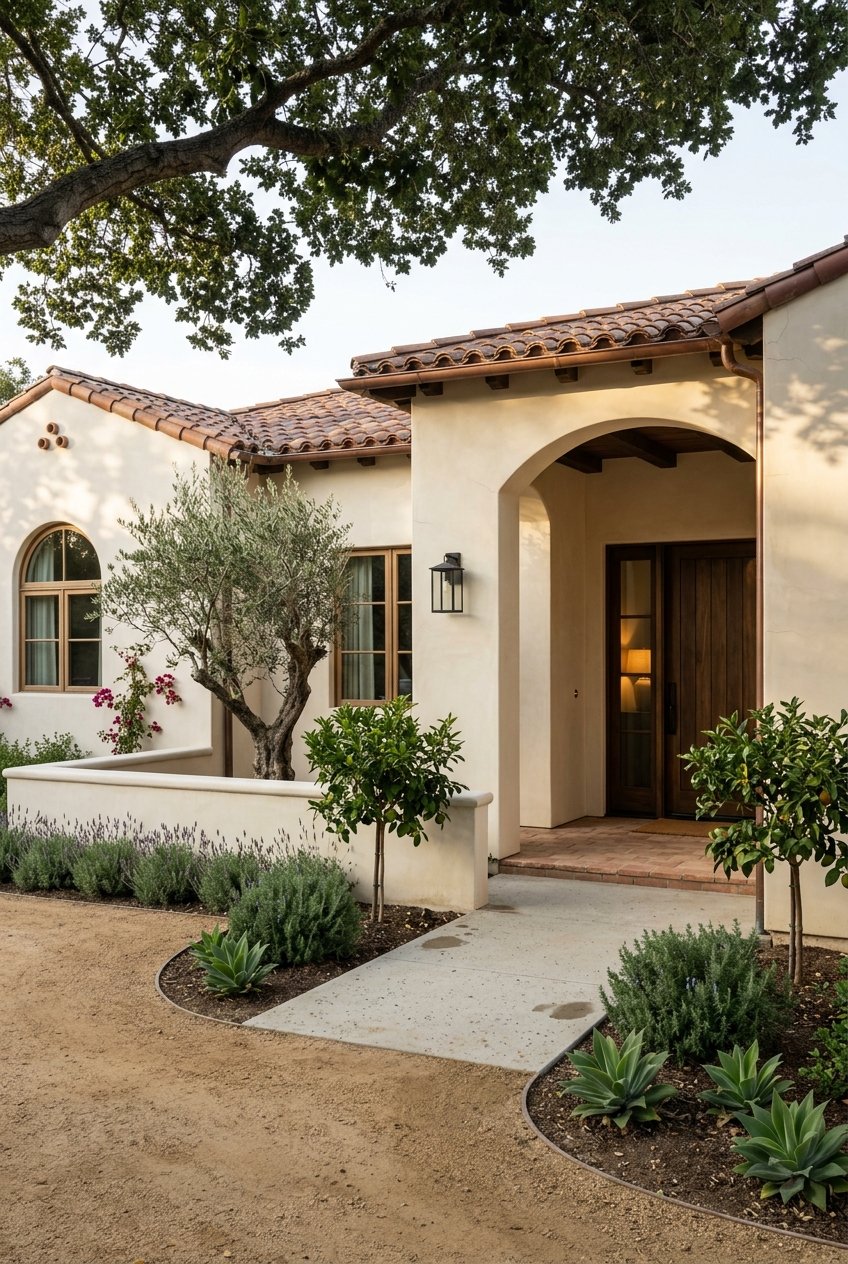
If you care about architecture, daily beauty, and the feeling of living somewhere with real character, Pasadena tends to pull you in fast. This is a city where a morning walk can take you past Craftsman bungalows, Beaux-Arts civic buildings, bungalow courts, and midcentury ranch houses, sometimes all within the same day. If you are trying to picture what life here actually feels like, this guide will help you understand Pasadena through a design lover’s lens. Let’s dive in.
Why Pasadena stands out
Pasadena describes itself as a center of architecture in Southern California, and the city’s built environment backs that up. Incorporated in 1886 and shaped by the 1888 railroad extension, Pasadena developed a deep stock of historic housing and civic buildings that still defines its identity today.
What makes Pasadena especially compelling is range. City architecture records identify Late Victorian, Arts and Crafts, Period Revival, Early Modernism, Post-World War II Modernism, and Late Modernism as part of the local story, with styles that include Craftsman, California Bungalow, Spanish Colonial Revival, Ranch, Mid-century Modern, Art Deco, and Googie.
For you as a buyer or homeowner, that means Pasadena does not read like one-note Southern California. It feels layered, with neighborhoods that reflect different moments in design history rather than repeating the same housing formula.
Pasadena architecture by neighborhood
Old Pasadena and the urban core
If you like historic city fabric, Old Pasadena is one of the clearest examples in the region. It is a 22-block National Register Historic District known for restored late 19th- and early 20th-century architecture, pedestrian alleys, shops, and restaurants.
Nearby, the Civic Center District adds another dimension. Between Old Pasadena and Playhouse Village, you will find Beaux-Arts and Mediterranean Revival landmark buildings, including Pasadena City Hall, which give this part of the city a formal and civic presence.
South Lake Avenue offers a different rhythm. This 12-block corridor is known for boutiques, dining, and wellness-oriented businesses, while Playhouse Village centers theater, public art, and independent shops around the Pasadena Playhouse.
For design-minded residents, these districts shape daily life as much as they shape the skyline. They offer the pleasure of living near buildings and streets that feel intentional, walkable, and visually memorable.
Bungalow Heaven and Craftsman Pasadena
Bungalow Heaven is one of Pasadena’s most recognizable residential environments. It was the city’s first landmark historic district and is known for one of Pasadena’s largest collections of California Craftsman bungalows, built mainly between 1906 and 1914.
The neighborhood gives you a clear picture of Pasadena’s Arts and Crafts legacy. The homes, streets, and preservation culture all work together, and the area’s annual home tour has helped make that architectural identity visible to residents and visitors alike.
If your idea of home includes wood detailing, front porches, built-ins, and a strong connection between architecture and everyday life, this area often sets the tone. It is one of the places where Pasadena’s design history feels most immediate.
Madison Heights and Oak Knoll
Madison Heights offers another early Pasadena residential story, but with a somewhat broader stylistic mix. City sources say the area was largely developed between 1910 and 1917 with Arts and Crafts houses, then expanded into the 1920s with Period Revival homes.
The neighborhood includes four small landmark districts, and many notable architects worked there, including Greene and Greene, Wallace Neff, and Reginald Johnson. For buyers who appreciate architectural authorship and historical continuity, that matters.
Oak Knoll is another older Pasadena neighborhood with roots reaching back to 1905. The city associates it with walkability and a strong tree canopy, which adds an important lifestyle layer to the architecture itself.
West Pasadena and foothill character
West Pasadena has a different mood from the central historic neighborhoods. City history notes that Linda Vista and San Rafael Heights were annexed in 1914 after the Colorado Street Bridge linked them more directly to Pasadena, and Linda Vista is described as developing later while retaining an earlier country atmosphere.
This part of Pasadena matters if you are drawn to a more foothill-oriented setting. City materials point to ranch-house neighborhoods, landscaped postwar planning, and notable midcentury work in the area, including the Schonbach House.
In practical terms, West Pasadena can appeal to buyers who want design quality with a little more breathing room. The architecture often feels tied to landscape, topography, and a quieter residential pace.
Hastings Ranch and postwar Pasadena
If your taste leans midcentury, Hastings Ranch deserves close attention. City context documents describe it as Pasadena’s most important large-scale postwar subdivision and the city’s only large-scale, comprehensive tract.
Upper Hastings Ranch was developed in 1951 by Coronet Homes with 800 ranch-style homes designed by Edward Fickett. Lower Hastings Ranch includes 600 homes built between 1948 and 1954.
This area helps explain that Pasadena is not only about early 20th-century architecture. It also has a strong postwar chapter, especially for buyers who value indoor-outdoor living, low-slung rooflines, and a more suburban midcentury feel.
The bungalow court legacy
One of Pasadena’s most distinctive contributions to housing design is the bungalow court. The city is generally credited as the birthplace of this housing type, which organizes homes around a shared landscaped courtyard.
Pasadena identifies its largest concentration on South Marengo Avenue between East California Boulevard and Glenarm Street. For a design lover, bungalow courts are worth knowing because they show how Pasadena’s architectural interest extends beyond large single-family homes.
They also reflect a long local tradition of thoughtful residential planning at a smaller scale. That makes Pasadena especially rich for buyers who appreciate housing forms with both design intent and human scale.
Design culture beyond the houses
Pasadena’s appeal is not limited to residential architecture. Its broader cultural landscape reinforces the feeling that design matters here.
The Pasadena Playhouse has operated since 1917 and is the official State Theater of California. The Gamble House remains one of the most recognized Arts and Crafts landmarks anywhere and is described as the most complete and best-preserved Greene and Greene work. Near Colorado Boulevard and Orange Grove, the Norton Simon Museum anchors the city’s art scene.
These places shape more than weekend plans. They help create a civic atmosphere where architecture, art, and preservation are part of ordinary conversation rather than niche interests.
Outdoor life with design value
A design-forward life is not only about interiors and facades. In Pasadena, landscape and open space also play a major role.
The Arroyo Seco is the city’s largest natural open space, with 22 miles of trails. Brookside Park, just south of the Rose Bowl, is Pasadena’s largest fully maintained park at 61.1 acres.
That combination gives many Pasadena neighborhoods access to both historic streets and meaningful outdoor space. If you value garden context, walking routes, and a strong relationship between built form and landscape, that is a real part of the city’s appeal.
What buyers should know
If you are considering a historic property, it helps to understand how Pasadena’s preservation system works. Historic designation does not affect use or sale, but the city says it can require review for demolitions, exterior alterations visible from the street, and new construction.
Pasadena uses a Certificate of Appropriateness process and design guidelines based on the Secretary of the Interior’s standards. Many interior changes or exterior changes that are not visible from the street may be exempt.
For a buyer, this is less about restriction for its own sake and more about clarity. It tells you when design review may be part of ownership and why a home’s architectural integrity can remain legible over time.
What sellers should know
For sellers, Pasadena’s preservation framework highlights something important: provenance and architectural integrity can be meaningful parts of a property’s market position. The home’s style, era, architect if known, original materials, landscape setting, and compatible updates may all help tell a more accurate story.
The city’s preservation rules treat a property’s contribution to Pasadena’s historic, cultural, or architectural heritage as central. Qualifying historic properties may also be eligible for Mills Act property-tax relief, which can matter in conversations about stewardship and long-term ownership.
Before listing or renovating, it is also useful to verify designation and historic context through the city’s database and context reports. A well-prepared seller presentation often begins with getting those details right.
Why expert guidance matters here
In a city like Pasadena, design value is not always obvious in standard real estate language. Two homes may share square footage, but their materials, architectural pedigree, preservation context, and relationship to site can place them in very different categories.
That is why design-literate representation matters. Whether you are buying a bungalow, evaluating a midcentury ranch, or preparing a historically important home for sale, you benefit from guidance that can read both the market and the architecture clearly.
The right strategy is rarely generic here. Pasadena rewards careful research, thoughtful positioning, and a real understanding of how people live with design.
If you are thinking about buying or selling a distinctive home in Pasadena, the George Penner Team brings deep experience in architectural, historic, and design-led properties across the local market.
FAQs
What makes Pasadena appealing to design-conscious homebuyers?
- Pasadena offers a wide range of architectural styles, including Craftsman, Spanish Colonial Revival, Art Deco, Ranch, and Mid-century Modern, along with strong preservation culture and notable cultural institutions.
Which Pasadena neighborhoods are known for historic homes?
- Bungalow Heaven, Madison Heights, Oak Knoll, and parts of West Pasadena are closely associated with historic housing and architecturally significant residential streetscapes.
What is a bungalow court in Pasadena?
- A bungalow court is a low-density housing form arranged around a shared landscaped courtyard, and Pasadena is generally credited as the birthplace of this design type.
What should buyers know about historic designation in Pasadena?
- Pasadena says designation does not affect a property’s use or sale, but it can require review for demolition, street-visible exterior changes, and new construction through the city’s preservation process.
Why does architectural provenance matter when selling a Pasadena home?
- Provenance can help explain a home’s style, era, architect, materials, and preservation context, which may strengthen how the property is positioned for design-aware buyers.